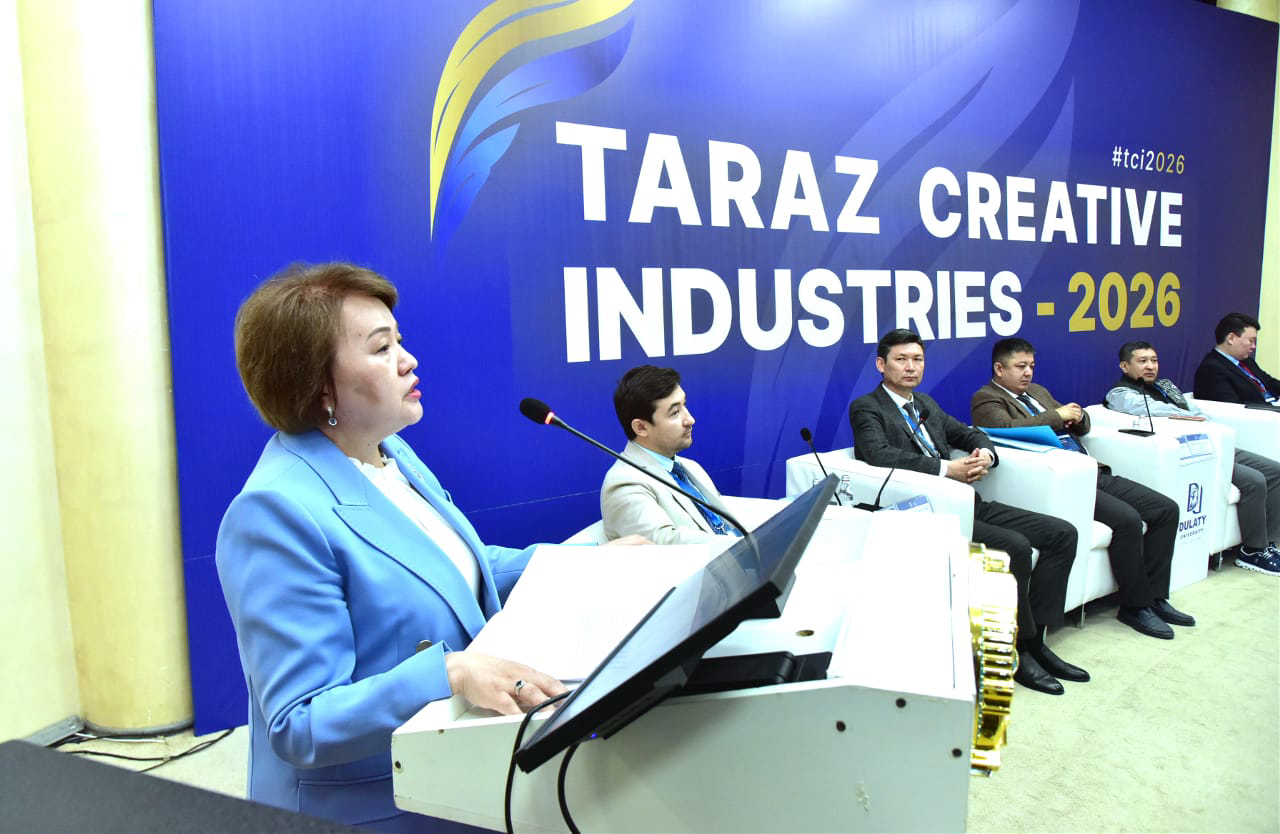
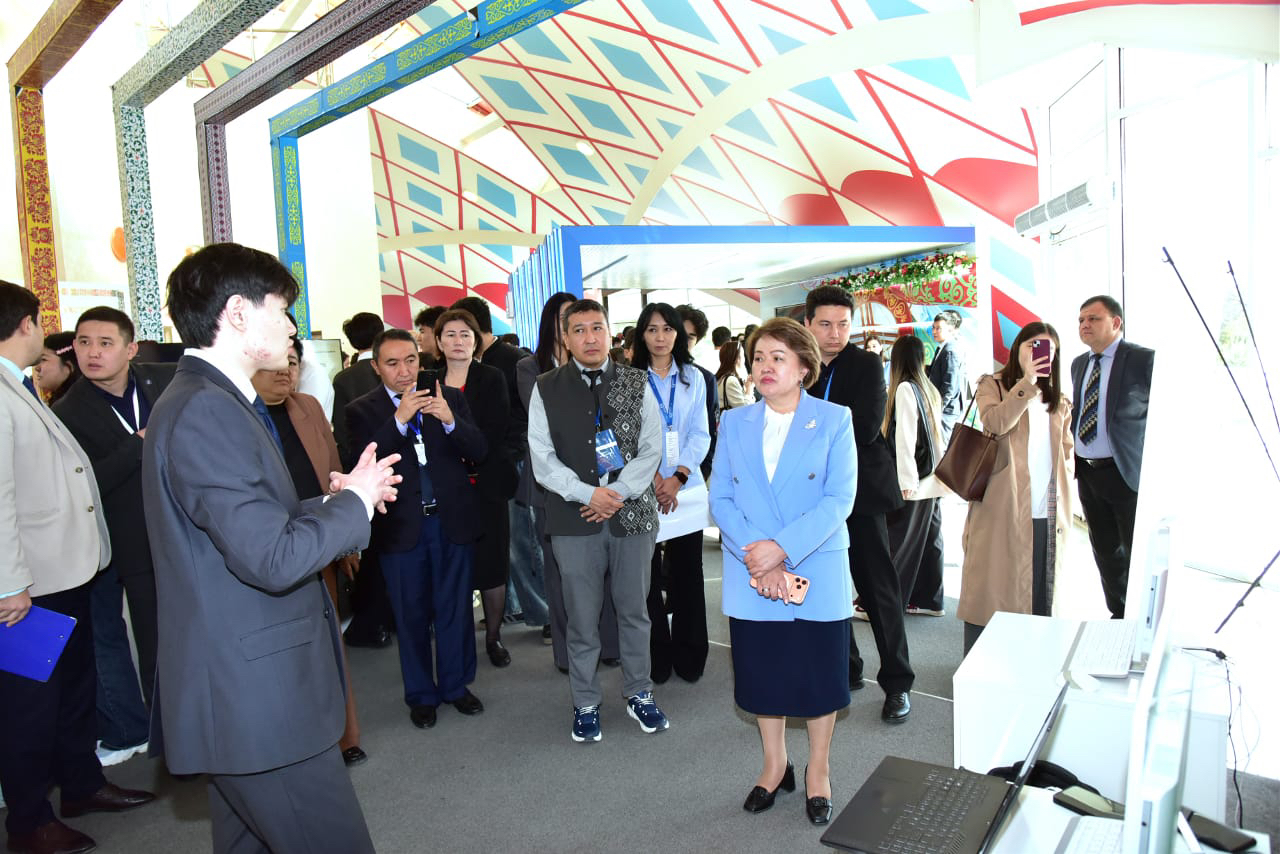
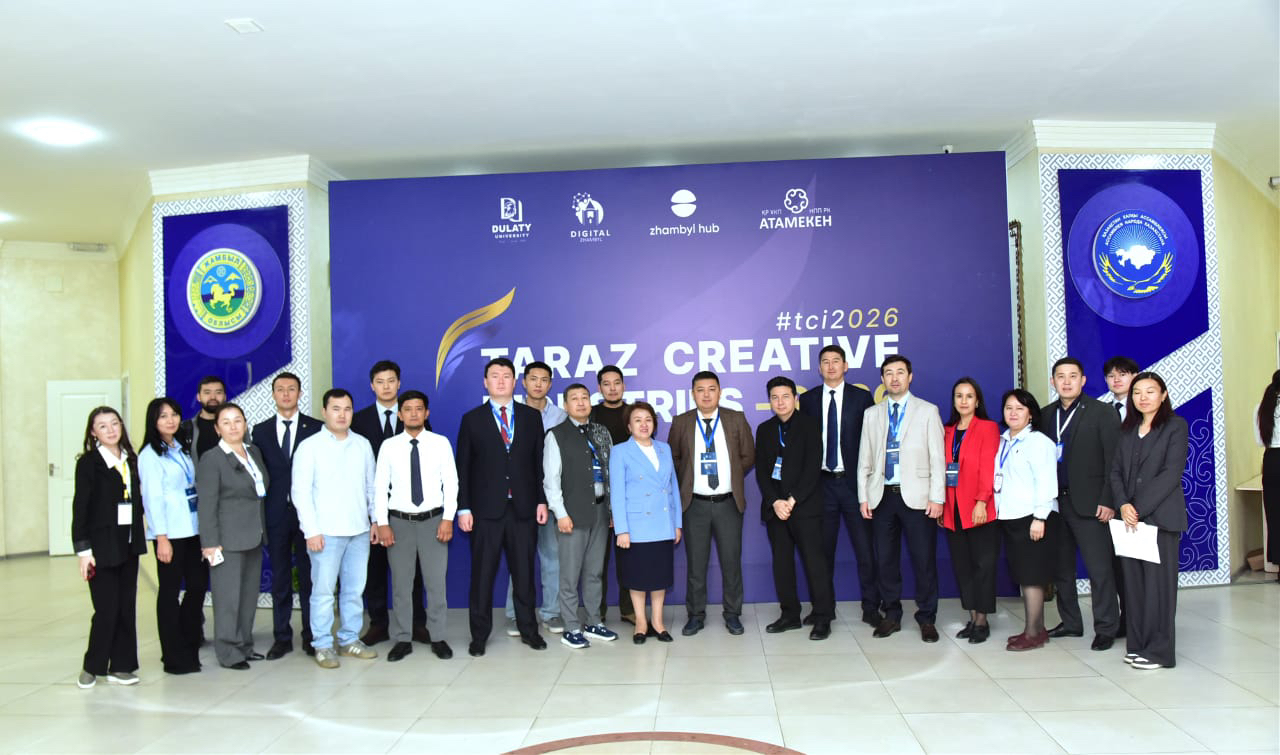
The second day of the "Taraz Creative Industries 2026" forum continued with the plenary session "From idea to product: creative industries as the driving force of the digital economy and the development of smart cities."
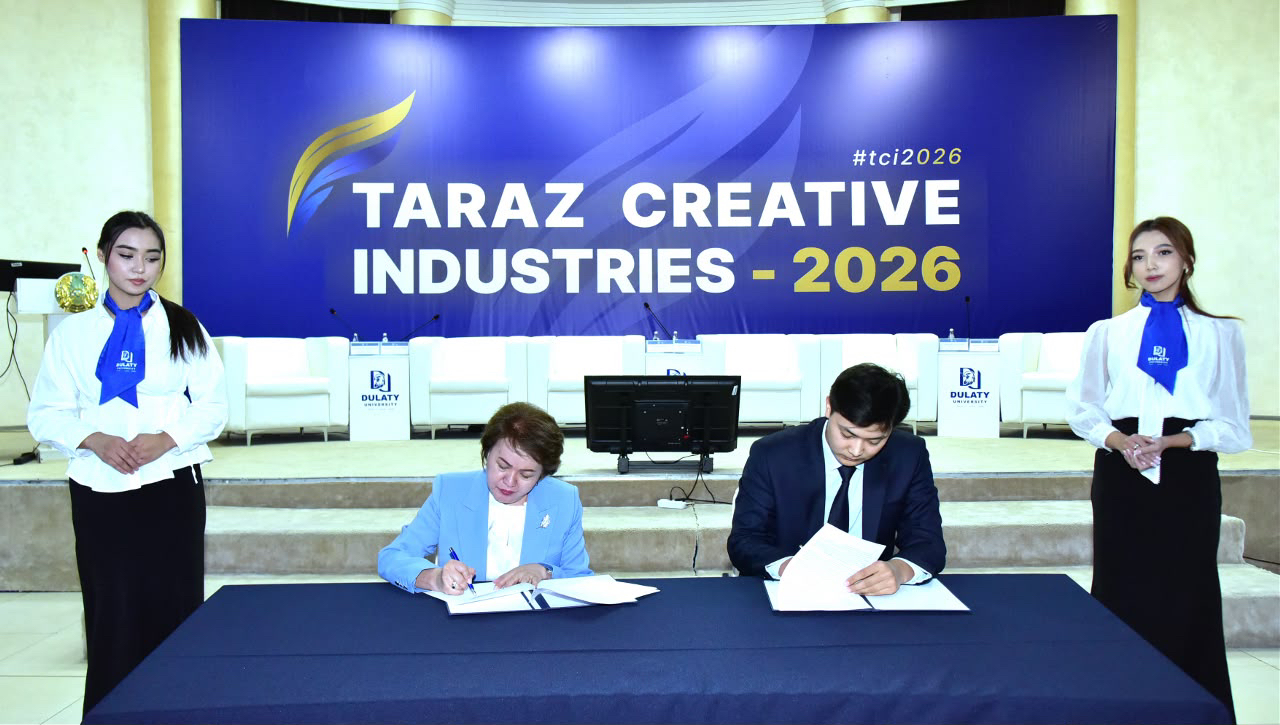
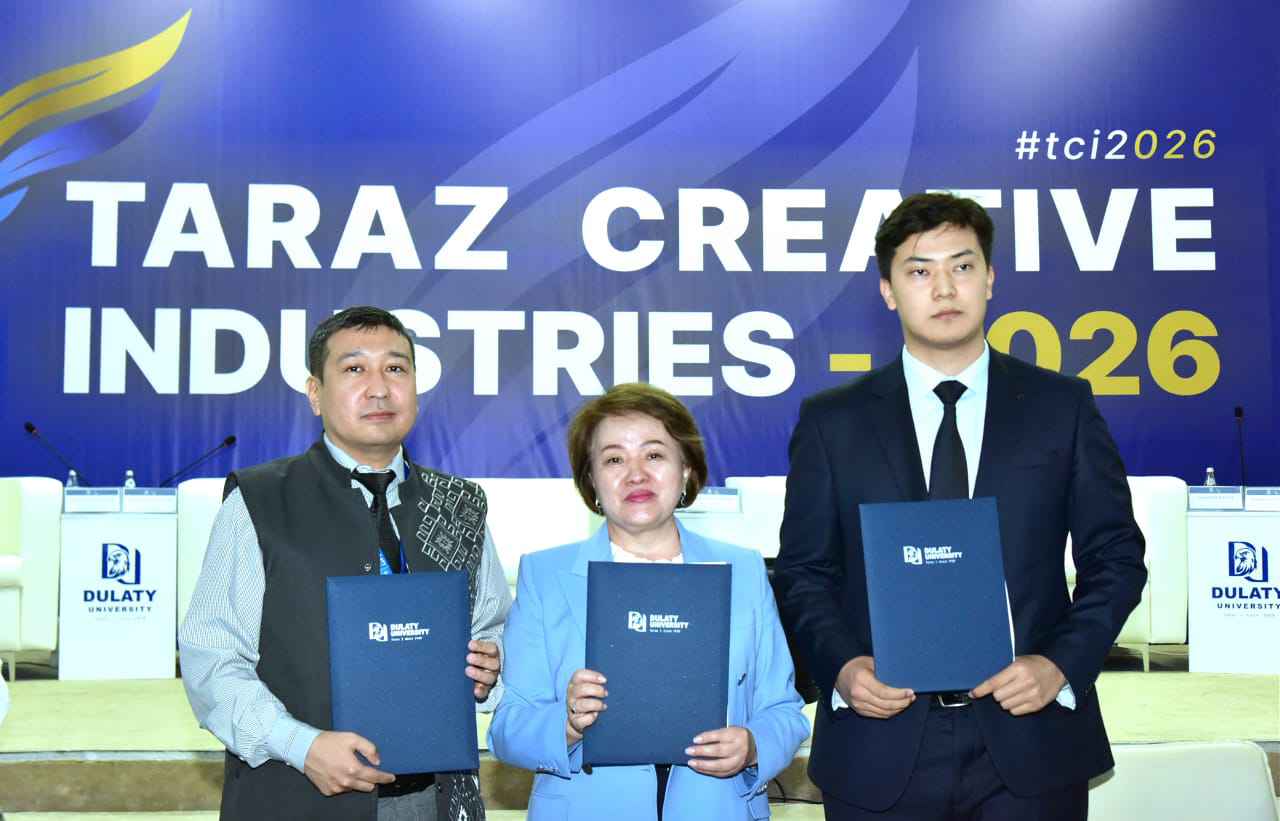
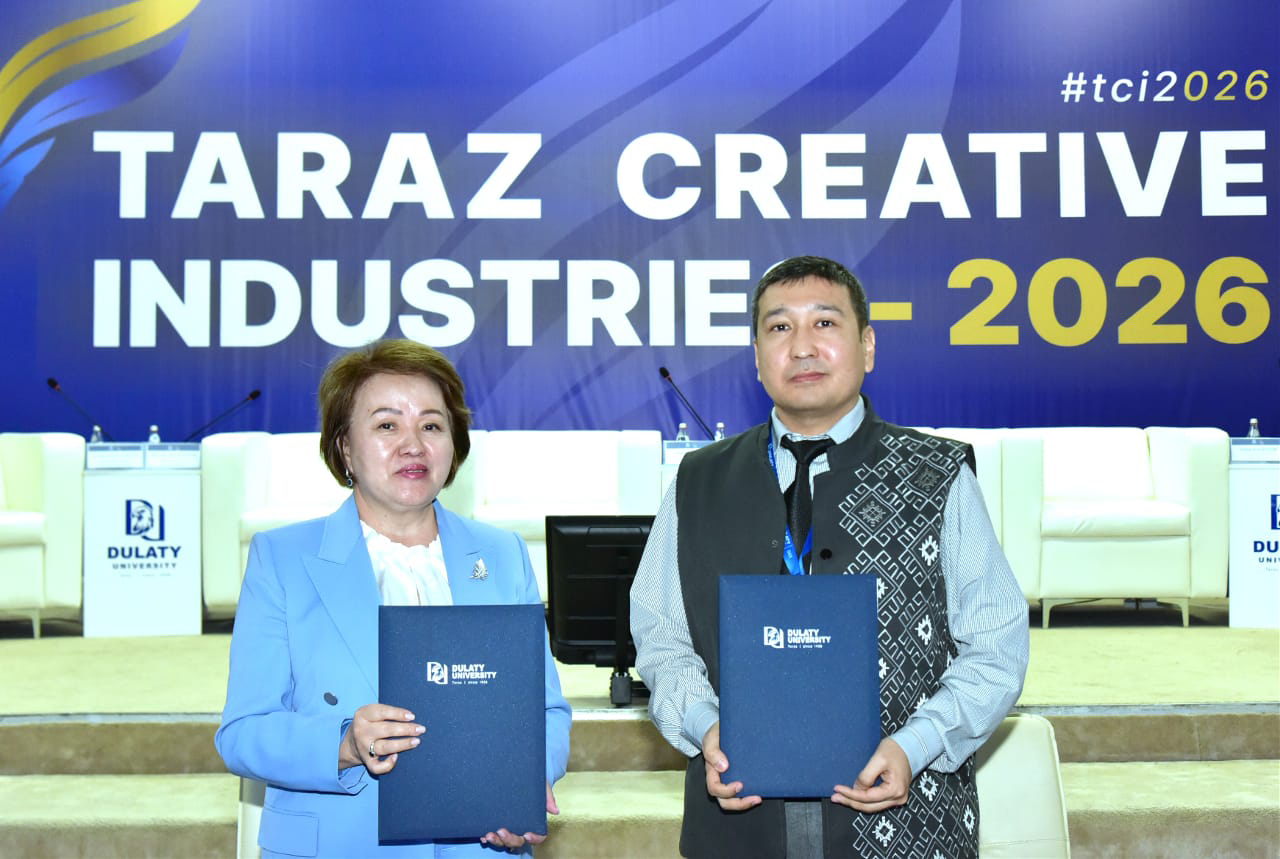
Two memoranda were signed during the forum. In order to create and develop an artificial intelligence laboratory, Taraz University named after M.Kh. Dulaty signed a memorandum of cooperation with ISSAI (Institute of Smart Systems and Artificial Intelligence) at Nazarbayev University and the corporate Alem.ai Foundation.
The main purpose of the memorandum is to train highly qualified personnel in the field of artificial intelligence (AI) and information and communication technologies (ICT); developing students' digital competencies and expanding effective communication; training of competitive specialists for the digital economy of the Republic of Kazakhstan.
At the plenary session, Dinara Shcheglova, Vice Minister of Science and Higher Education, spoke about the opportunities that artificial intelligence and digital technologies will open up. She stressed the importance of training personnel and improving educational programs in this area.
Chairman of the Board – Rector of Taraz University named after M.Kh. Dulaty Lazzat Yerkinbayeva presented information about the university's programs and projects in the field of digital technologies and wished fruitful projects implemented in the field of AI.
Shalkhar Amanturov, Head of the Department of Digitization and Archives of the Zhambyl regional Akimat, shared information about the work done to digitize the region. Speaking about the results of providing the region's population with Internet access, he announced that the Zhambyl region had risen from 17th to 11th place in terms of the "Smart Region" indicator.
Erbol Absalyamov, Executive Director of the Institute of Smart Systems and Artificial Intelligence (ISSAI) at Nazarbayev University, stressed that the training of specialists in the field of artificial intelligence (AI) and digital technologies, as well as the creation of a modern educational environment are important areas of government policy. He spoke about the projects carried out to translate artificial intelligence models into Kazakh, explain and translate linguistic features. The Institute announced its intention to develop joint projects not only with Nazarbayev University, but also with higher educational institutions in other regions, including Taraz University named after M.Kh. Dulaty.
Madiyar Abilov, Deputy Chairman of the Board of Qazinnovations JSC, spoke about the importance of turning scientific projects of scientists and students in the field of artificial intelligence into commercially successful products and provided information on government grants and support. He focused on government innovation grants and financial support provided by Qazinnovations to improve and introduce domestic IT startups and innovative projects into production.
Nurzhan Sagyndyk, Director of the Astana Hub Regional Development Department, spoke about how to use the opportunities of the Astana Hub International technology park in the regions – specifically to support the local IT community and create conditions for talented youth in the Zhambyl region. He spoke about the possibilities of conducting special training programs, incubation periods and attracting investors to develop projects of students and programmers in the field of artificial intelligence and the "smart city".
The plenary session continued with a panel discussion on the topic "Smart Region: from pilot projects to large-scale production."
TOP STARTUPS AND PROJECTS IDENTIFIED
During a roundtable discussion titled "Smart Region: From Pilot Project to Large-Scale Production," university researchers, IT specialists, and experts from organizations such as EPAM Systems, Aviata.kz, Bank CenterCredit JSC, Tomorrow School, and regional IT hubs explored mechanisms for scaling up pilot IT solutions for broader industrial application.
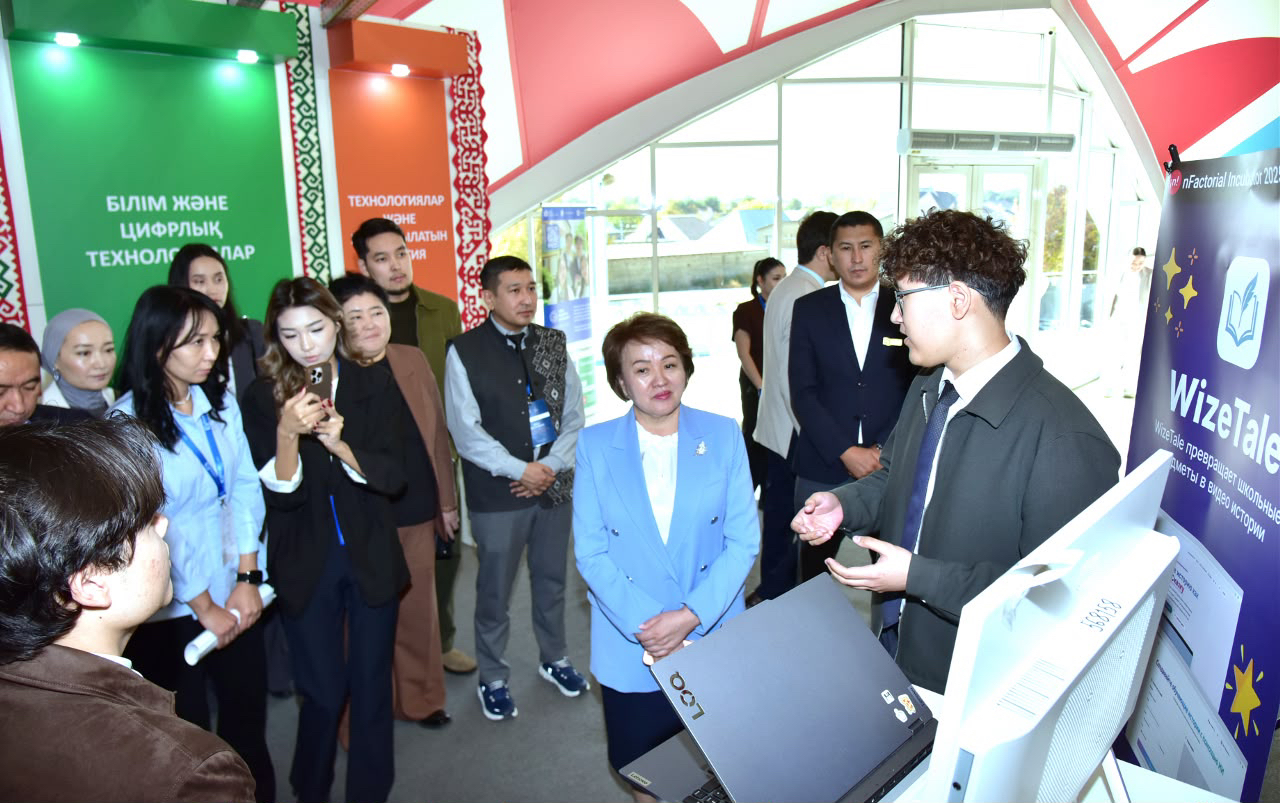
The discussion was followed by a dynamic and competitive highlight of the forum: the final round of a Pitch Battle for young startup founders and innovators. Talented individuals and startup teams presented products based on EdTech, MediaTech, FinTech, GovTech, GameDev, and artificial intelligence (AI). Within a strictly limited timeframe, participants defended their business models, commercial potential, technological innovations, and the value their projects bring to the regional economy. The jury—comprising venture investors, representatives from Astana Hub and regional IT hubs, regional government officials, and leaders from the creative industries—evaluated the entries based on high standards of competitiveness, scalability, and commercial viability, ultimately selecting the top startups.
The awards ceremony for the winners of the various competitions and pitch battles held during the forum will take place on October 23 at the Balasagun Central Concert Hall.

 20 October 2026
 63